She hit 'Y'. The node turned green. The ghost card was now a real-time preview, showing her own laptop's CPU temp ticking up and down. Her teammate, Leo, the backend lead, hated frontend work. But he needed a control panel for his new message queue. Maya didn't send him a Figma link or a Storybook URL. She clicked a button in UXp: "Export Developer SDK" .
Leo, in his terminal, typed: uxp link aurora-card uxp developer tools
In the UXp world, she opened the Time Machine . She hit 'Y'
She dragged a new node from the sidebar: [Data: Live Metrics] . She didn't write an API call. She didn't define a schema. She just typed a natural language prompt into the node: "Get current CPU temp and fan speed from system sensor." Her teammate, Leo, the backend lead, hated frontend work
The ghost card tilted slightly, waiting. Ready.
She spoke out of habit, though she didn't need to. "Expand on click."
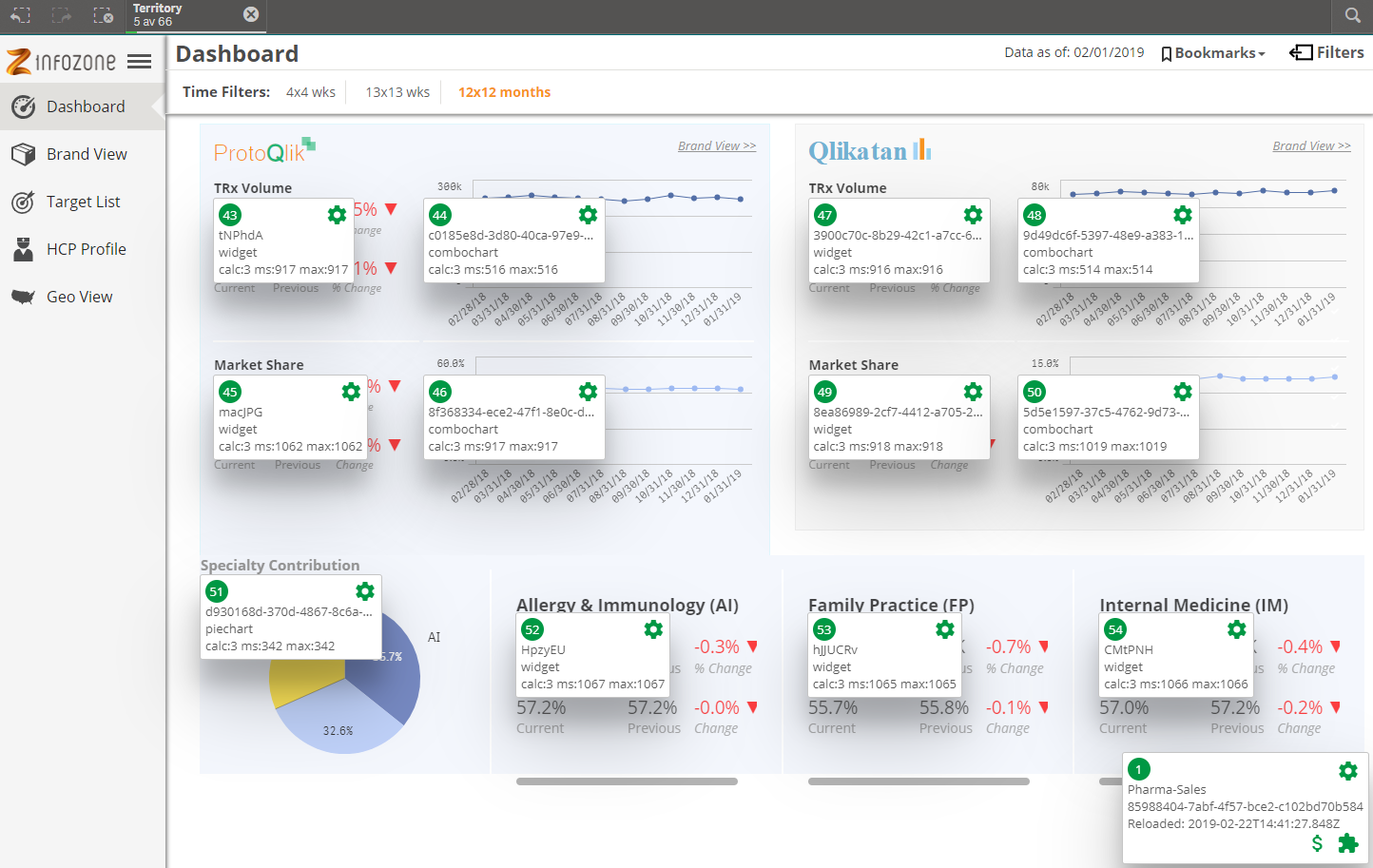
Add Sense for Chrome works in both the build-in Sense client and in mashups using the Capabilities APIs
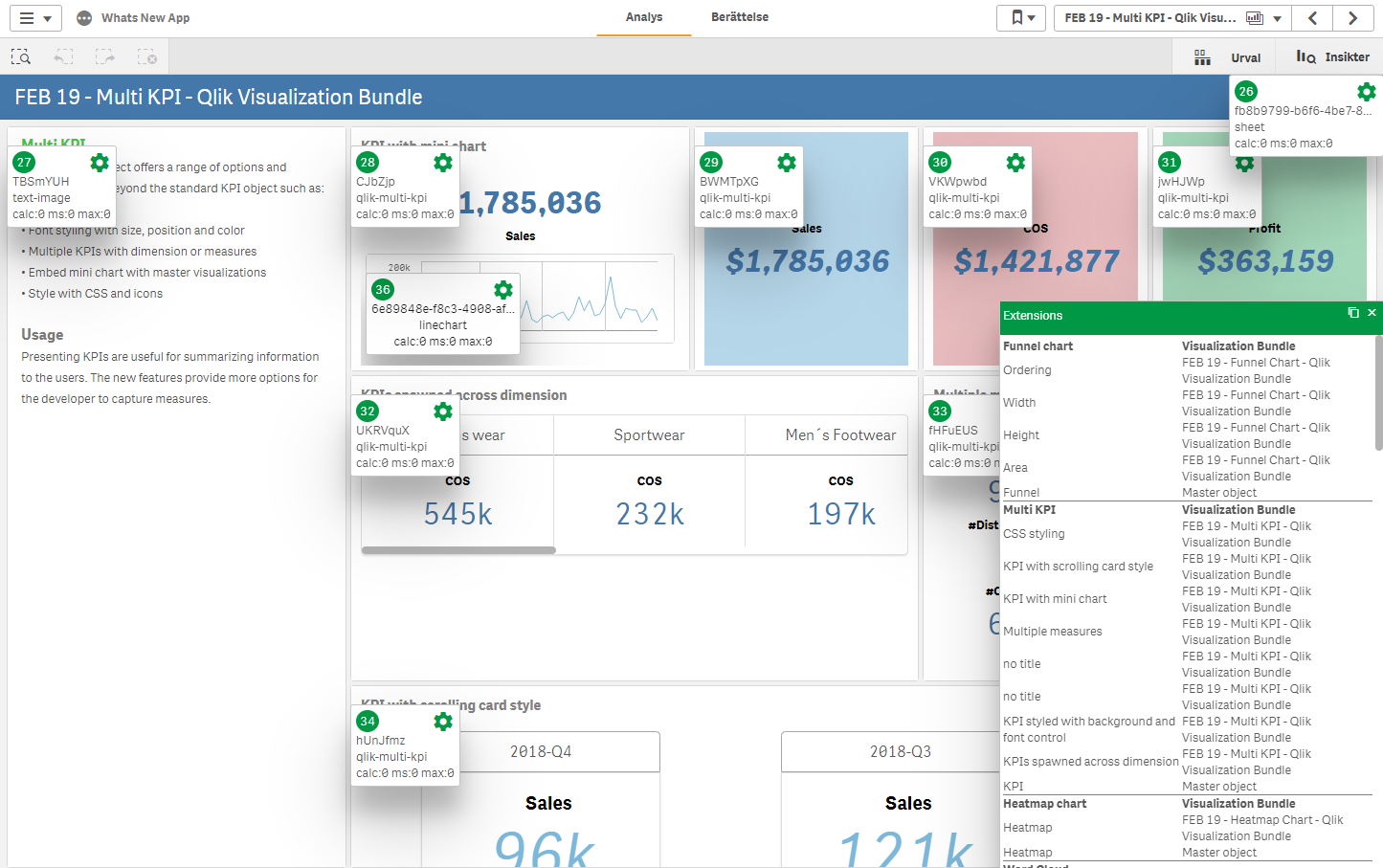
Charts displayed with the API through getObject and visualization.show will be tagged.
Used app(s) will be displayed in the bottom right corner.
Properties and other buttons will work just as in the client.
If your mashup shows charts from more than one app, all will be listed.
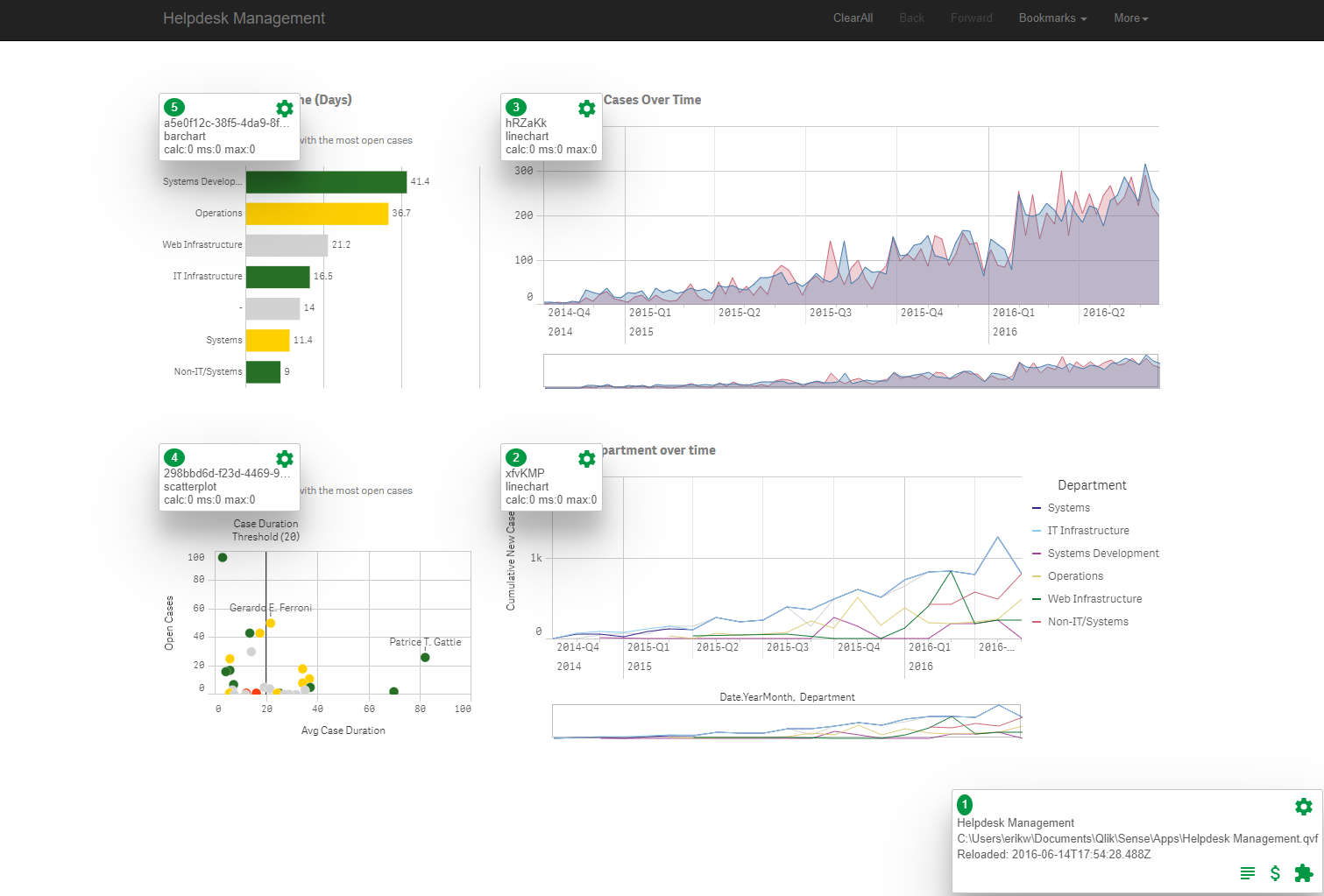
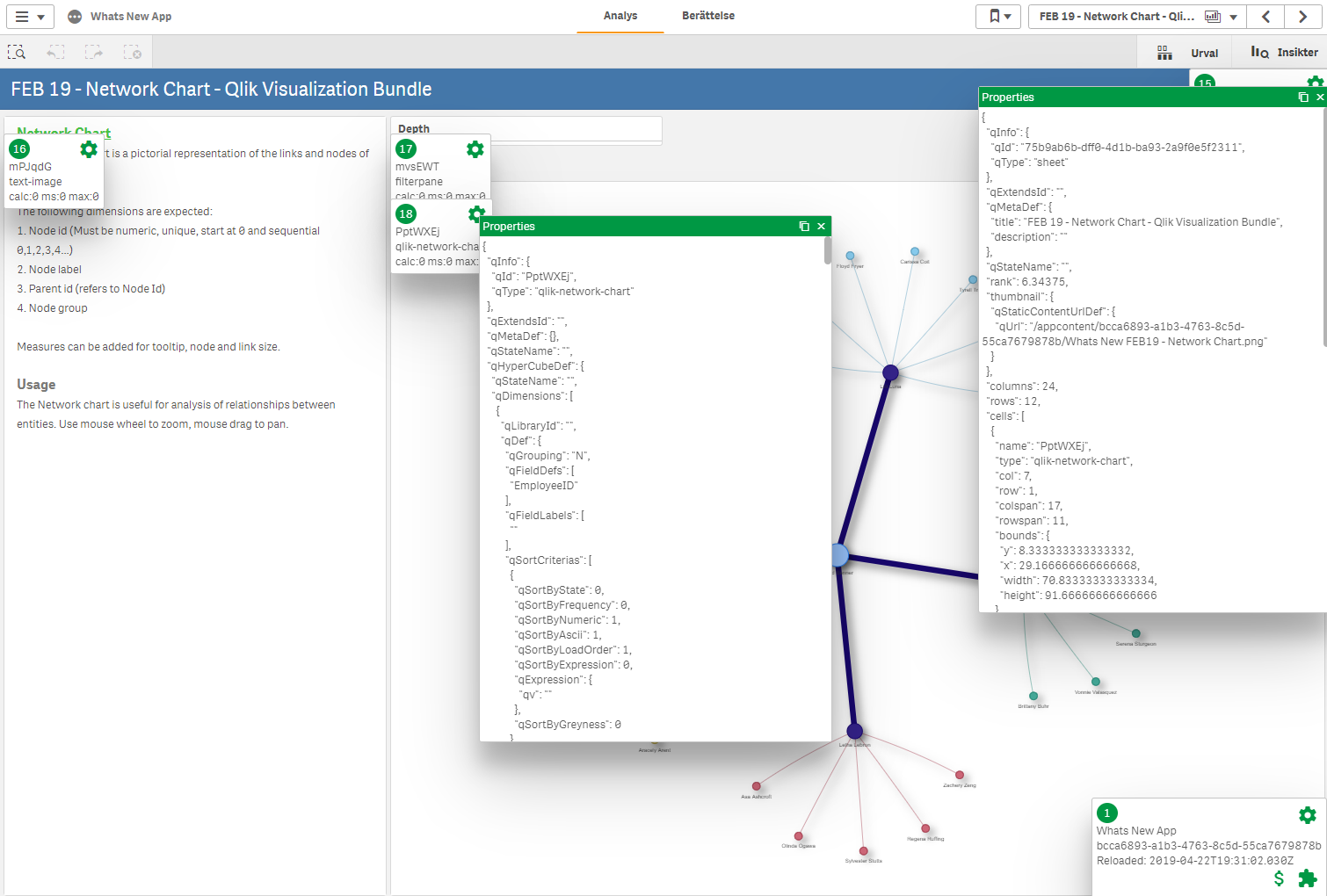
For all charts, sheets and the app you can click on the cogwheel.
That will display the properties for the object.
Use this to troubleshoot or to investigate what settings produce this chart.
You can display several objects properties at the same time, to make comparisons.
Properties can also be copied to clipboard.
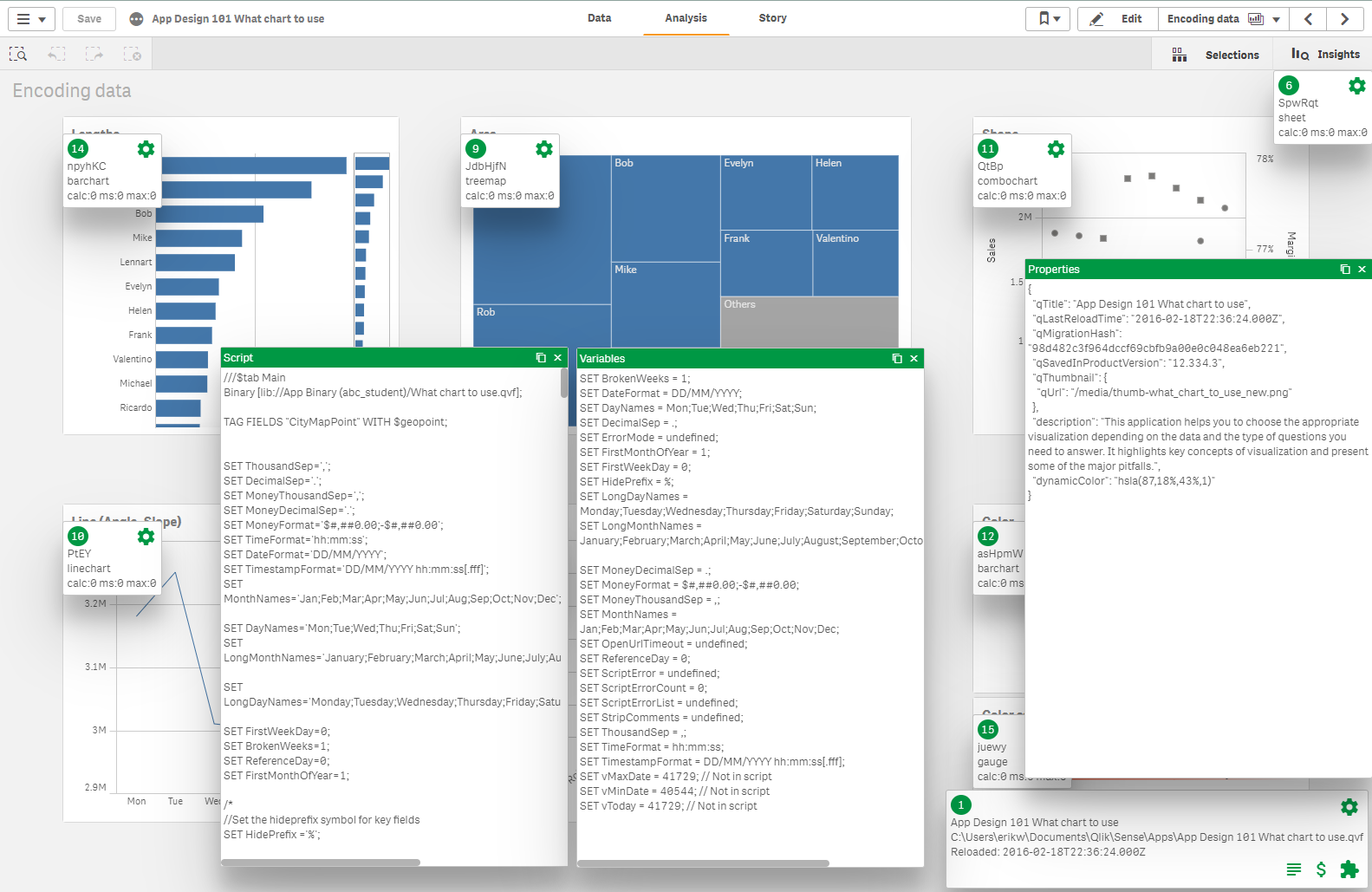
From the app box you can inspect the script, variables and app properties.
Windows can be open at the same time and moved.
You can also copy window contents, complete or partly, to the clipboard.
If you do not have access to the script the script button will not be available.
You can also easily see what extensions and charts are used in your app.
Just click on the extensions button in the app info box.
You will get a list of all axtensions and built-in charts are used in your extension, with title and sheet title
Master objects are also included.
The extension can also help you find performance problems.
When you enable the extension on a page, whether it's the standard client or a mashup, it will start recording recalculation times.
Every time an object is revalidated then extension will register time elapsed for recalculation.
It will also count how many revalidations has occured.
If the object is no longer on the screen, the extension will continue to monitor recalculations, so when you re-enable it you will get all the statistics.