Run this every time you change your art. Put it in a Gradle task so you never forget. Step 4: Loading the Atlas in LibGDX Once packed, you get two files: ui-atlas.atlas and ui-atlas.png . Copy these to your Android/assets folder.
If you’ve been developing with LibGDX for more than a week, you’ve likely heard the mantra: “Batch your draw calls!” texturepacker libgdx
SpriteBatch batch = new SpriteBatch(); TexturePacker.renderDebugImage(gameAtlas, batch, 0, 0); | Problem | Solution | | :--- | :--- | | White lines around sprites | Enable edgePadding and duplicatePadding in settings. | | "Texture too large" error | Lower maxWidth to 1024 or 512. (Or check GPU limits). | | Animation frames out of order | Name files run_01.png , run_02.png . The packer sorts alphanumerically. | | AssetManager reload crash | Don't create a new TextureAtlas for every screen. Dispose the old one first. | Final Verdict: Don't Ship Without It I’ve seen prototype LibGDX games run at 25 FPS. After packing the UI and sprites into 2 atlases, they jumped to 60 FPS instantly. Run this every time you change your art
Run this every time you change your art. Put it in a Gradle task so you never forget. Step 4: Loading the Atlas in LibGDX Once packed, you get two files: ui-atlas.atlas and ui-atlas.png . Copy these to your Android/assets folder.
If you’ve been developing with LibGDX for more than a week, you’ve likely heard the mantra: “Batch your draw calls!”
SpriteBatch batch = new SpriteBatch(); TexturePacker.renderDebugImage(gameAtlas, batch, 0, 0); | Problem | Solution | | :--- | :--- | | White lines around sprites | Enable edgePadding and duplicatePadding in settings. | | "Texture too large" error | Lower maxWidth to 1024 or 512. (Or check GPU limits). | | Animation frames out of order | Name files run_01.png , run_02.png . The packer sorts alphanumerically. | | AssetManager reload crash | Don't create a new TextureAtlas for every screen. Dispose the old one first. | Final Verdict: Don't Ship Without It I’ve seen prototype LibGDX games run at 25 FPS. After packing the UI and sprites into 2 atlases, they jumped to 60 FPS instantly.
You won’t have to fiddle with terminal commands to manually mount partitions.
It can be convenient thus resides in the Mac status bar, which helps you quickly and easily mount or unmount the NTFS drives from Mac status bar.
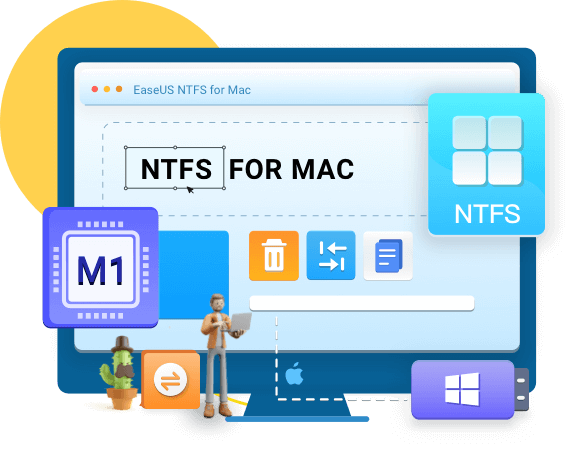
EaseUS NTFS for Mac is a powerful yet easy-to-use utility. It helps you solve the problem that the Mac can't write NTFS drives. Write, edit, copy, move and delete files on Microsoft NTFS volumes. You can do everything with Windows drives on your Mac!
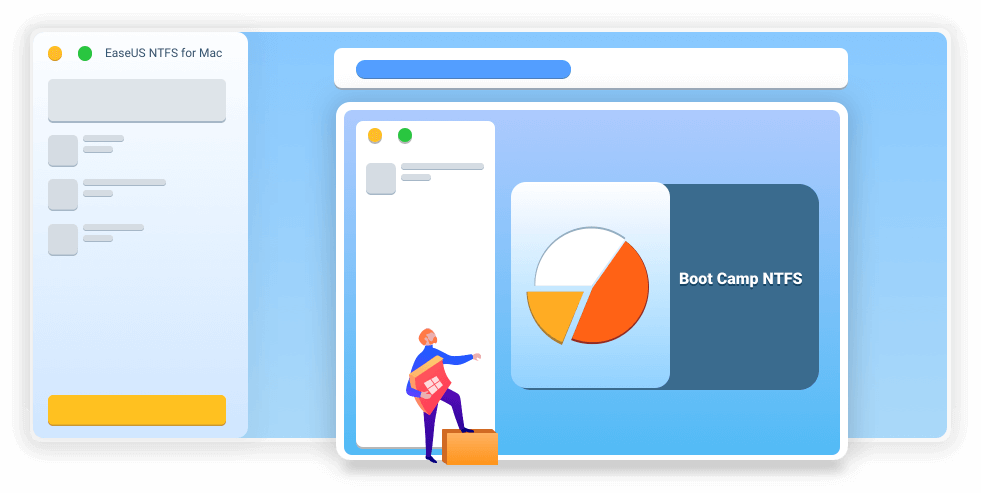
EaseUS NTFS for Mac supports reading and writing external hard drives previously formatted for Windows from other known hard drive manufacturers is an NTFS driver as well.
Microsoft NTFS for Mac by EaseUS is super fast. It means less time waiting for files to save or copy between your external drive and Mac.
Safe data transfer and seamless user experience
It is fully compatible with M1-based Mac devices.
Also, it is compatible
supports macOS Big Sur and older macOS See Specifications

Supported Operating Systems
macOS Big Sur 11 ~ macOS Sierra 10.12 running on Mac mini, MacBook, MacBook Air, Macbook Pro, iMac, iMac Pro and Mac Pro

Supported Files Systems
NTFS, HFS+, APFS, FAT, exFAT

Supported Devices
Hard Drive, External Hard Disk, SSD, USB Drive, Thunderbolt Drive, SD Card, CF Card, etc.

Disk Space
100 MB and above free space