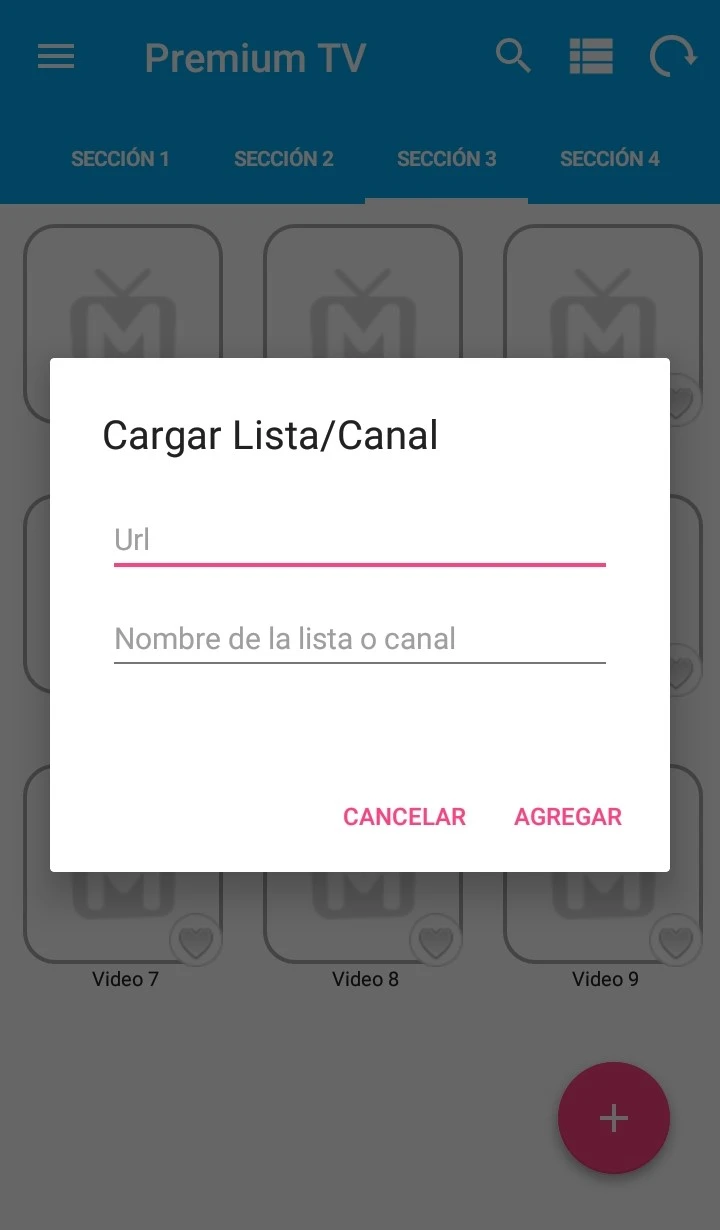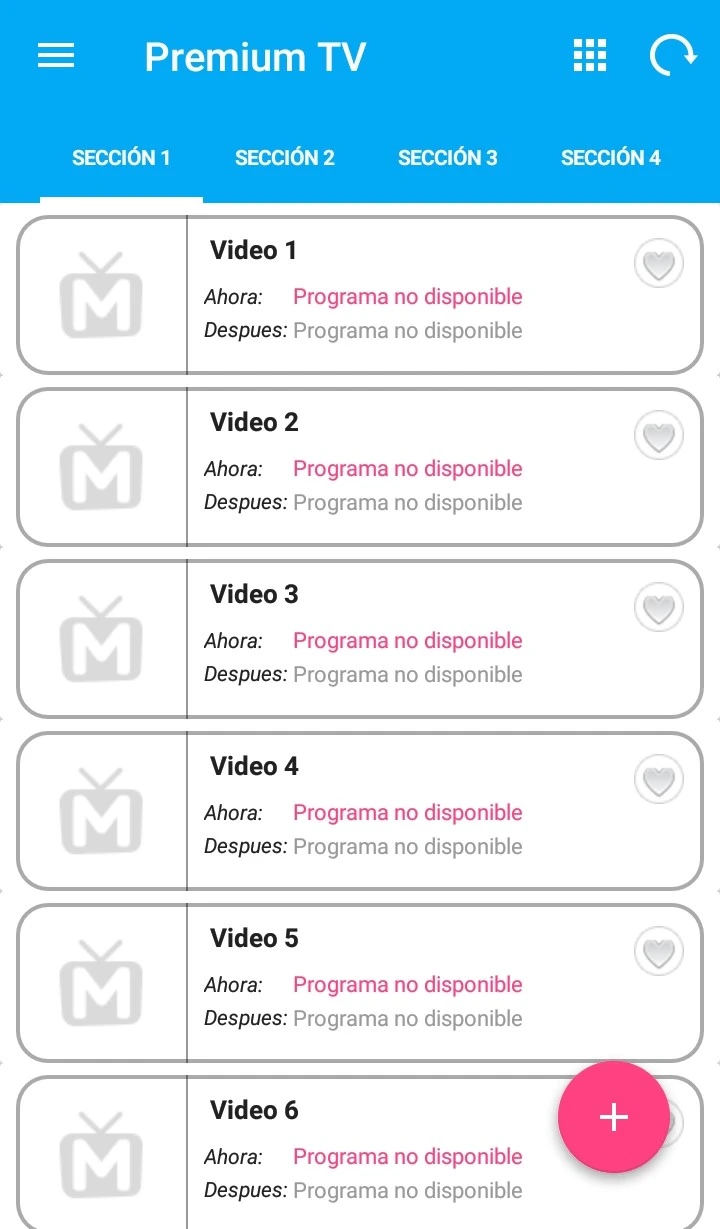
MXL TV es un reproductor multimedia. Compatible con los protocolos de vídeo streaming más populares incluyendo http, https, mms, rtsp, rtmp, etc. Carga automática de listas M3U.
Añade tu lista fácilmente en formato M3U directamente desde URL
Reproduce cualquier archivo de video con los formatos más populares de hoy en día

Filtra y encuentra rápidamente el contenido escribiendo la palabra clave
Recibe notificaciones de las novedades y mejoras de MXL TV

Estos son algunas de las características importantes de MXL TV
El diseño de MXL TV es simple y elegante para que pueda interactuar sin problemas katerina hartlova milk
Agrega marcando su contenido como favoritos y así encontrar fácilmente al iniciar la aplicación Third, the most useful response is to guide
Ordena el contenido de su lista M3U por nombre y categoría alfabéticamente para que puedas navegar sin preocupaciones If it appears in fiction (e
Sección dedicada para agregar, seleccionar y eliminar sus listas M3U en cualquier momento
Third, the most useful response is to guide the requester toward refining their query. Ask: Where did you encounter the phrase? Was it in a book, a social media video, a product label, or a class assignment? If it appears in fiction (e.g., a character in a Czech novel who works at a dairy), the essay could analyze that literary motif. If it is a mistranslation of “Katerina from Hartlov’s milk farm,” then primary sources (e.g., Czech land registries, local newspapers) would be required.
First, verify spelling and cultural context. “Katerina” is a common Slavic form of Katherine. “Hartlova” suggests a Czech or Slovak surname (feminine form of Hartl). A search for “Kateřina Hartlová” (with diacritics) reveals a Czech contemporary artist born in 1985, known for installations and digital art, but none of her known works involve milk. No dairy scientist, farmer, or business owner by that name appears in databases like Scopus, Google Scholar, or Czech trade registries. Thus, the phrase likely stems from a typo, a private social media post, or a misremembered brand (e.g., “Hartlova” might be confused with “Hartley’s” or “Mlékárna Hlinsko”).
Third, the most useful response is to guide the requester toward refining their query. Ask: Where did you encounter the phrase? Was it in a book, a social media video, a product label, or a class assignment? If it appears in fiction (e.g., a character in a Czech novel who works at a dairy), the essay could analyze that literary motif. If it is a mistranslation of “Katerina from Hartlov’s milk farm,” then primary sources (e.g., Czech land registries, local newspapers) would be required.
First, verify spelling and cultural context. “Katerina” is a common Slavic form of Katherine. “Hartlova” suggests a Czech or Slovak surname (feminine form of Hartl). A search for “Kateřina Hartlová” (with diacritics) reveals a Czech contemporary artist born in 1985, known for installations and digital art, but none of her known works involve milk. No dairy scientist, farmer, or business owner by that name appears in databases like Scopus, Google Scholar, or Czech trade registries. Thus, the phrase likely stems from a typo, a private social media post, or a misremembered brand (e.g., “Hartlova” might be confused with “Hartley’s” or “Mlékárna Hlinsko”).