 Support us on Patreon
 PayPal
Intercultural Communication: Pathways To Better Interactions Book Fixed [2024]
“The real voyage of discovery consists not in seeking new landscapes, but in having new eyes.” — Marcel Proust This book has given you new eyes. Now, walk the pathway. End of synthesized text. For a specific edition or author, please consult the actual published work.
Intercultural encounters often trigger uncertainty and stress. This “intercultural anxiety” can lead to avoidance or overcompensation. The solution lies in mindfulness: observing without immediate judgment, tolerating ambiguity, and reframing mistakes as learning moments. Part III: Building Better Interactions – Core Pathways Chapter 5: Develop Intercultural Sensitivity Milton Bennett’s Developmental Model of Intercultural Sensitivity (DMIS) describes a journey from ethnocentrism (denial, defense, minimization) to ethnorelativism (acceptance, adaptation, integration). Where are you on this path? Honest self-assessment is the first step. “The real voyage of discovery consists not in
Communication is not just about exchanging information; it is shaped by cultural rules. High-context cultures (e.g., Japan, Arab nations) rely on implicit messages, nonverbal cues, and shared history. Low-context cultures (e.g., Germany, the U.S.) prefer direct, explicit, and task-focused communication. Recognizing this spectrum prevents misattributions of rudeness or vagueness. Part II: Barriers on the Pathway Chapter 3: Stereotypes, Prejudice, and Ethnocentrism We all use mental shortcuts, but stereotypes reduce individuals to group labels. Prejudice adds emotional judgment. Ethnocentrism—believing one’s own culture is superior—blocks genuine interaction. The pathway forward is cultural relativism: understanding behaviors within their own cultural context without abandoning ethical standards. For a specific edition or author, please consult
Emojis, punctuation, response speed, and even video call backgrounds carry cultural meaning. A “thumbs up” emoji can mean agreement in one culture and an insult in another. When in doubt, clarify: “I want to make sure we’re on the same page.” Conclusion: Pathways Are Not Destinations Better intercultural interaction is not a fixed endpoint. It is a continuous practice of curiosity, humility, and repair. You will make mistakes. Apologize sincerely, learn, and move forward. Every conversation is a new pathway—a chance to build understanding where walls once stood. In many cultures
Active listening across cultures requires more than paraphrasing words. Notice turn-taking, eye contact, silence, and physical distance. In many cultures, silence signals respect or thoughtfulness, not confusion. Pause before responding.
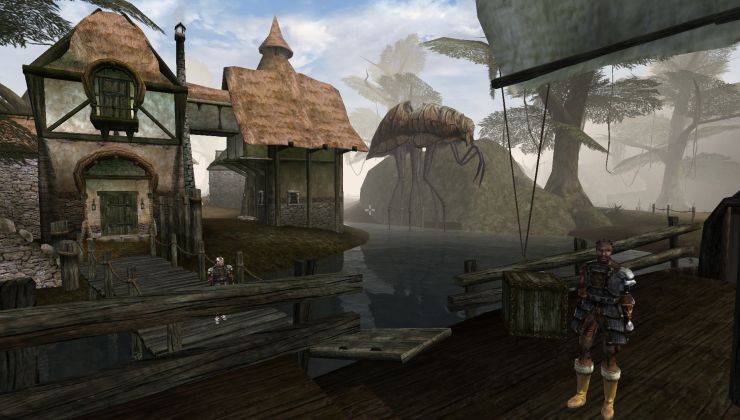 How to setup OpenMW for modern Morrowind on Linux / SteamOS and Steam Deck
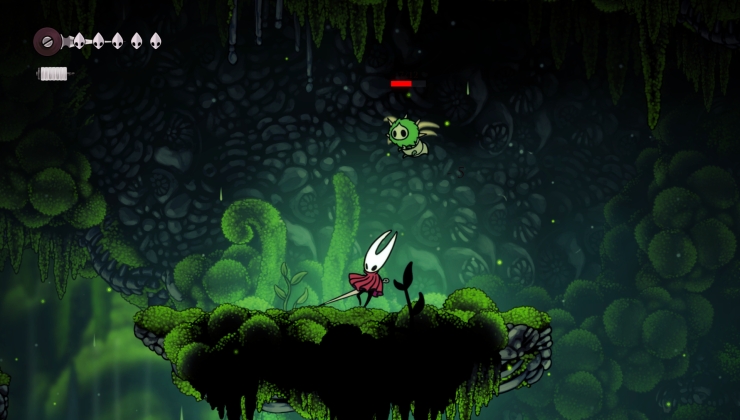 How to install Hollow Knight: Silksong mods on Linux, SteamOS and Steam Deck
Reward Tiers:
This ensures all of our main content remains totally free for everyone! Patreon supporters can also remove all adverts and sponsors! Supporting us helps bring good, fresh content. Without your continued support, we simply could not continue!
You can find even more ways to support us on this dedicated page any time. If you already are, thank you!