Discover our App
The web application adapts to any screen, no matter how big or small it is. Works on any Operating System (Windows, Mac, Linux..) and any mobile device with an internet connection.
Visit now
Download your favorite Wattpad stories on the go.
Just paste your links and they will automatically download
You can grab the desktop app and customize your download
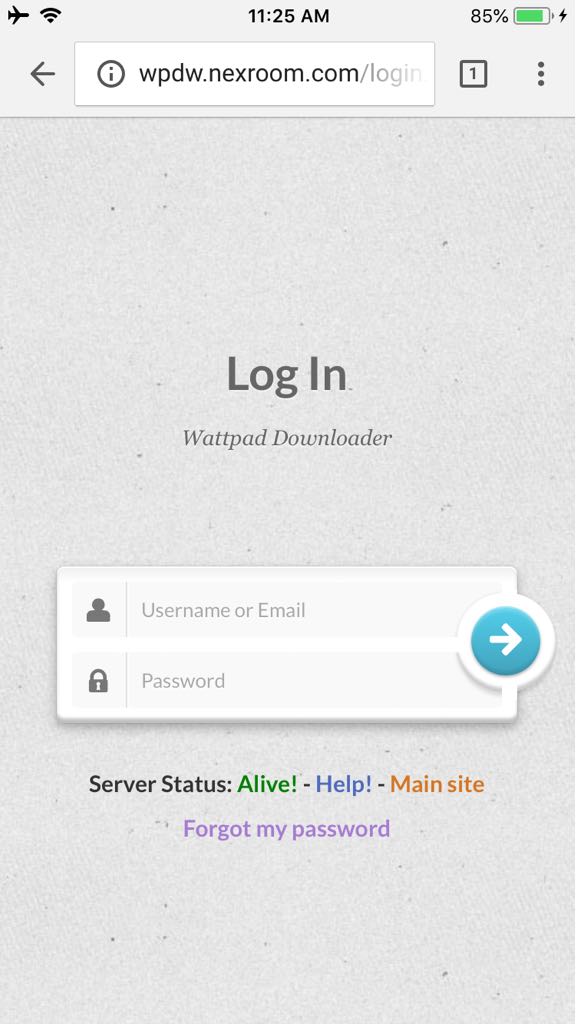
You don't need extra accounts, Log-In using your Wattpad account
The web application adapts to any screen, no matter how big or small it is. Works on any Operating System (Windows, Mac, Linux..) and any mobile device with an internet connection.
Visit now
By the 1800s, “hullo” had evolved into a general expression of surprise (like “Well, I’ll be hulloed!”). Charles Dickens even used “hullo” in his novels to show a character’s sudden realization or greeting.
Yet, the human need remains. “Hello” signals safety, recognition, and willingness to connect. It’s the verbal equivalent of a small wave. Remember you’re participating in a 150-year-old telephone tradition (and a 500-year-old hunting tradition). You’re echoing Thomas Edison’s pragmatic choice, the “hello girls” of the 1880s switchboard, and billions of conversations that began with that single, simple word.
Edison won the informal battle. By 1889, telephone operators (then known as “hello girls”) were trained to answer with “Hello,” and the word spread like wildfire. But “hello” didn’t spring from nowhere in 1876. Its roots go back much further.
Bell proposed using the nautical greeting (as in, “Ahoy, matey!”). For the first few years of telephone use, early adopters experimented with various openers: “Are you ready to talk?” “Do I have you?” or simply stating their own name.
It’s one of the first words we learn as children. It’s the default opener for billions of phone calls, video meetings, and doorway encounters every single day. But have you ever stopped to think about the word “Hello” — where it came from, why we use it, or how it conquered the world?
Let’s pick up the phone (literally) and explore the fascinating story behind this simple, five-letter word. Believe it or not, when Alexander Graham Bell invented the telephone in 1876, he had a very specific greeting in mind. It wasn’t “hello.”
Meanwhile, Thomas Edison—Bell’s great rival—had a different vision. Edison suggested using a firm, clear His reasoning was pragmatic: it was loud, attention-grabbing, and easy to hear over the crackling, primitive phone lines of the 1880s.
And here’s a fun paradox: When you ask a smart speaker like Alexa or Siri “Hello?”, the AI responds — but it doesn’t need the word. It’s listening for a wake word instead. For machines, “hello” is becoming a social ritual, not a technical necessity.

I was very satisfied, I've got the answers for my questions very quickly and your representative was very friendly and willing to help.
I just logged in and took a short look but I found your new web-based app super cool and convenient for mobility. It's exactly my desire (and many others too, I think) for years. Thank you for your awesome efforts to satisfy our needs.
My niece had an accident a couple of years ago and since then, she hasn't been able to read or do pretty much anything due to the injuries. Your Wattpad Downloader app along with a TTS software helps her enjoy her time listening to many stories. Thank you very much.



By the 1800s, “hullo” had evolved into a general expression of surprise (like “Well, I’ll be hulloed!”). Charles Dickens even used “hullo” in his novels to show a character’s sudden realization or greeting.
Yet, the human need remains. “Hello” signals safety, recognition, and willingness to connect. It’s the verbal equivalent of a small wave. Remember you’re participating in a 150-year-old telephone tradition (and a 500-year-old hunting tradition). You’re echoing Thomas Edison’s pragmatic choice, the “hello girls” of the 1880s switchboard, and billions of conversations that began with that single, simple word.
Edison won the informal battle. By 1889, telephone operators (then known as “hello girls”) were trained to answer with “Hello,” and the word spread like wildfire. But “hello” didn’t spring from nowhere in 1876. Its roots go back much further. hello?
Bell proposed using the nautical greeting (as in, “Ahoy, matey!”). For the first few years of telephone use, early adopters experimented with various openers: “Are you ready to talk?” “Do I have you?” or simply stating their own name.
It’s one of the first words we learn as children. It’s the default opener for billions of phone calls, video meetings, and doorway encounters every single day. But have you ever stopped to think about the word “Hello” — where it came from, why we use it, or how it conquered the world? By the 1800s, “hullo” had evolved into a
Let’s pick up the phone (literally) and explore the fascinating story behind this simple, five-letter word. Believe it or not, when Alexander Graham Bell invented the telephone in 1876, he had a very specific greeting in mind. It wasn’t “hello.”
Meanwhile, Thomas Edison—Bell’s great rival—had a different vision. Edison suggested using a firm, clear His reasoning was pragmatic: it was loud, attention-grabbing, and easy to hear over the crackling, primitive phone lines of the 1880s. “hello” is becoming a social ritual
And here’s a fun paradox: When you ask a smart speaker like Alexa or Siri “Hello?”, the AI responds — but it doesn’t need the word. It’s listening for a wake word instead. For machines, “hello” is becoming a social ritual, not a technical necessity.
It is usually instantaneous but we have seen it can take up to 3 minutes since sometimes PayPal servers are slow to process the transaction.
Transactions are done through PayPal so you can use any payment options they have such as major cards like Visa, Mastercard, Discover and American Express as well as PayPal's wallet plus other options. If you can't use PayPal, please contact us so we can give you an alternative.
Activations are done automatically as soon as the transaction is completed, if it isn’t activated within 3 minutes, please write us in the chat indicating your Wattpad Username.
Visit the main site: Click Here
Available as a Windows Desktop App as well as a multi-platform Web Application.
 Windows
 Web/Any OS
 Android
 iOS/MacOS