Gallery 1/10



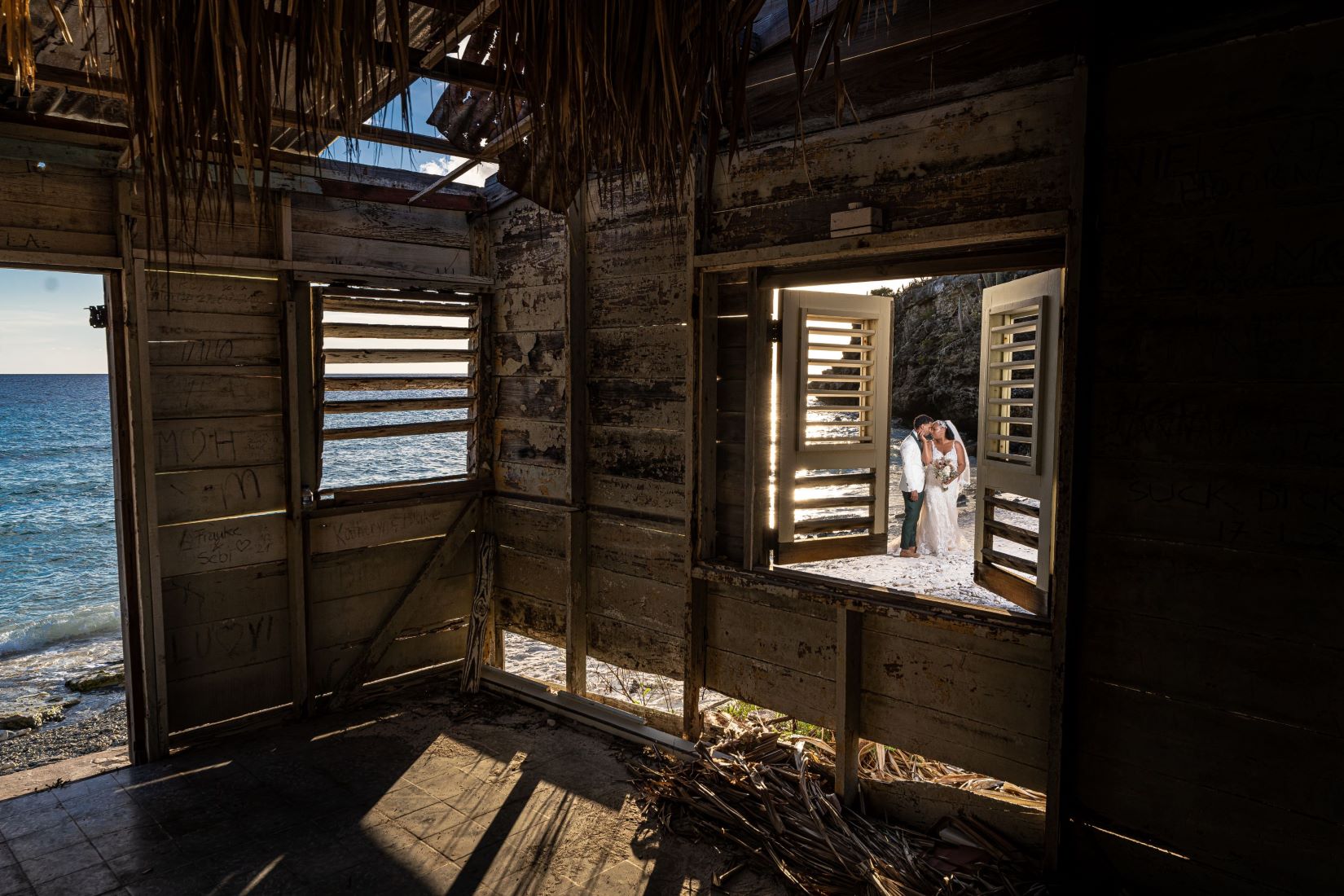

A warning not against physical danger, but against spiritual erosion. To enter 720p web h264 is to accept that you will never see the original. No director’s intent. No color grade. No film grain. Just a flattened, quantized ghost—a palimpsest of lossy generations.
What was the rest of the sentence? Do not enter 720p web h264 — without subtitles. Do not enter 720p web h264 — unless you have no choice. Do not enter 720p web h264 — for here lies only the mediocre.
Do not enter the half-life of art. Do not enter the stream where beauty becomes bandwidth. Do not enter the space where your memory of a film will be replaced by the memory of its buffering wheel. do not enter 720p web h264
The command forbids the easy path. It says: Wait. Find the Blu-ray. Find the ProRes. Find the theater. Or do not see it at all. But look closer. The phrase has no file extension. No .mp4 , no .mkv . It trails off into silence.
You enter that resolution, and you agree to forget detail. You accept that shadows will band. You accept that motion will pixelate into staircases. You accept that the artist’s eyelash, the distant explosion, the rain on a window—these will dissolve into clusters of square approximations. A warning not against physical danger, but against
Not because you will die. But because you will forget what it means to see .
It is the resolution of just enough to recognize , but never enough to feel . Perhaps “do not enter” is not a system error. Perhaps it is a spiritual instruction. No color grade
Do not enter 720p web h264 — as if the writer was interrupted. As if the system crashed mid-thought. As if the gate itself is glitching, half-rendered, refusing to fully manifest.

Nestor G Zavarce
3rd Place
Wedding Day Portraits
Summer 2025 Contest